

5 Signs Your Wood Floors in Leeds Need Sanding
5 Signs Your Wood Floors in Leeds Need Sanding (And What to Do Next)
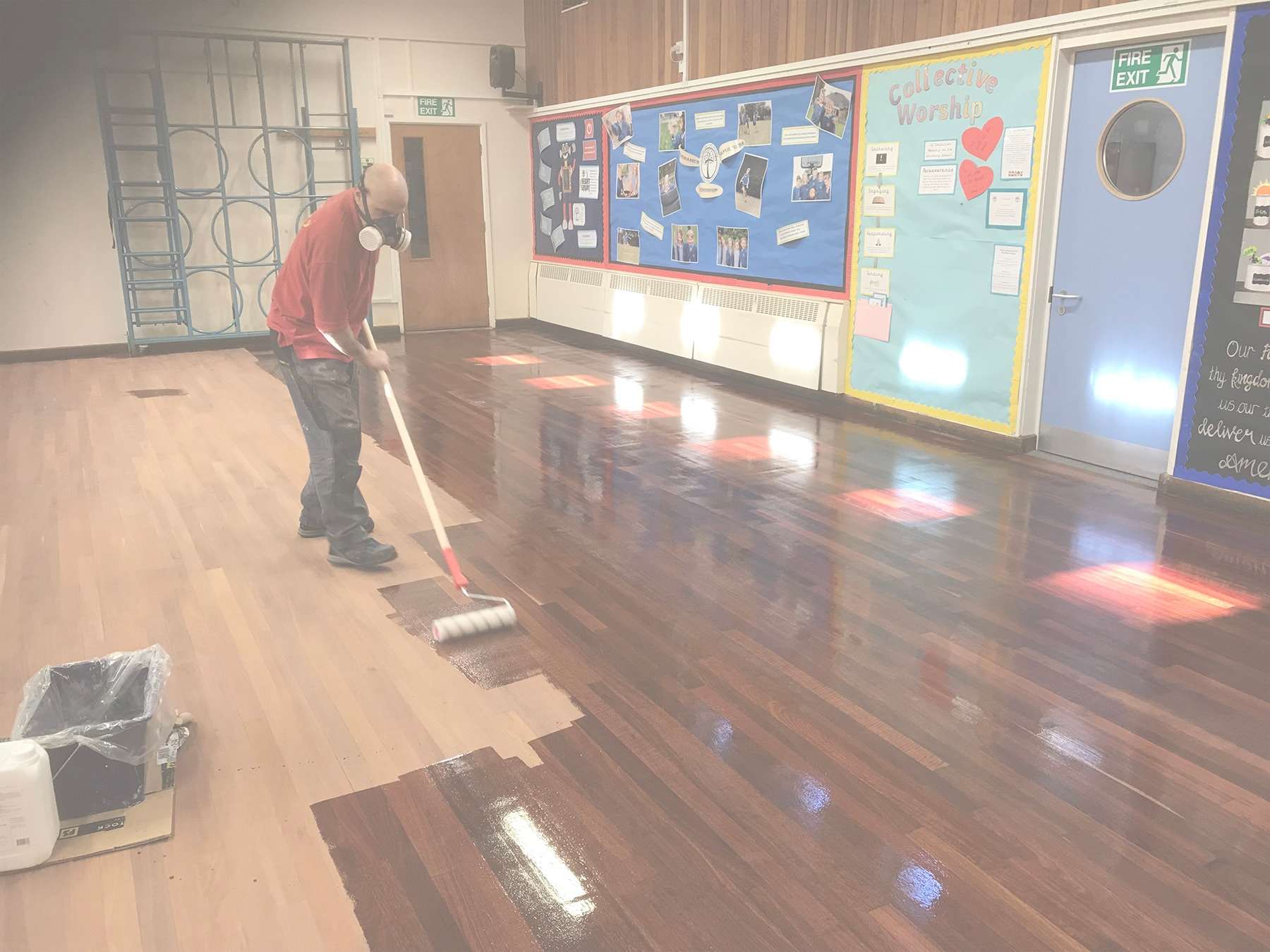
Wood floors are built to last. With proper care, a well-laid floor can remain beautiful for fifty years or more. But even the most robust boards show their age eventually — and knowing when to act can mean the difference between a straightforward sand and a far costlier repair job.
If you’ve been wondering whether your floors are past their best, here are five signs that professional sanding is overdue.
1. The Finish Is Looking Dull, Worn, or Patchy
This is the most common reason homeowners in Leeds book a floor sanding service. Over time, foot traffic wears away the protective finish, leaving floors looking flat and lifeless. High-traffic areas — hallways, in front of sofas, beside kitchen worktops — tend to go first.
If the floor has lost its sheen in some areas but looks fine in others, that’s a classic sign the topcoat is failing. Once the finish is gone, the bare wood underneath is vulnerable to moisture and further damage. Acting at this stage, rather than waiting, keeps the job simpler and more affordable.
2. You Can See Visible Scratches and Surface Marks
Light surface scratches are a normal part of life with wood floors, especially in homes with pets or children. But when scratches become deep or widespread — particularly if they’ve broken through the finish into the wood grain — sanding is the only way to properly remove them.
Some homeowners try to cover scratches with floor polish or wax, which can work as a short-term measure. Ultimately, though, polishing over damaged wood only delays the inevitable. A proper sand removes the scratched layer and starts fresh.
3. The Boards Are Discoloured or Stained
Water damage, pet urine, old wax build-up, and general soiling can all leave discolouration that no amount of mopping will shift. If the staining has penetrated the wood fibres — which is common in older homes that have had fitted carpets laid over the boards for years — sanding is usually the most effective treatment.
It’s worth noting that not all discolouration can be fully removed. A specialist will be honest with you about what’s achievable. In some cases, a dark stain or oil finish can be applied after sanding to disguise any residual marks beautifully.
4. The Floor Feels Uneven or Rough Underfoot
Wood expands and contracts with changes in temperature and humidity throughout the year. Over time, this movement — combined with the natural settling of a house — can cause boards to cup (bow upwards at the edges) or develop raised grain that makes the surface feel rough.
If walking across the floor barefoot feels noticeably uneven, that’s a sign the surface needs attention. Sanding levels out the boards and restores a smooth finish. In Victorian and Edwardian terraces — which make up a large portion of Leeds’s housing stock in areas like Burley, Chapel Allerton, and Horsforth — original pine boards may have been moving for well over a century.
5. The Floor Has Grey or Black Patches Around the Edges
Dark patches, particularly near skirting boards or in the corners of rooms, are often a sign of moisture ingress or old wax contamination. Left untreated, moisture can encourage mould and accelerate the deterioration of the timber.
If you spot grey or black discolouration, have it assessed by a professional before booking a sand. In some cases, the cause needs addressing — a dripping pipe, poor ventilation, or a damaged damp-proof course — before any finishing work takes place. A reputable company will flag this rather than sand straight over it.
What Happens During a Professional Wood Floor Sand in Leeds?
If any of the above sounds familiar, here’s a brief overview of what to expect from the process:
- Initial assessment — the specialist checks board condition, thickness, and any structural issues.
- Preparation — furniture is moved, nails are punched down, and any loose or damaged boards are repaired.
- Main sanding — a drum or belt sander removes the old finish and levels the surface. This is usually done in two or three passes with progressively finer abrasives.
- Edge sanding — a smaller edge sander is used along the perimeter of the room.
- Fine sanding — a finishing sander achieves a smooth, ready-to-coat surface.
- Finishing — your chosen finish (lacquer, oil, or hardwax oil) is applied in multiple coats, with light sanding between coats.
- Drying time — most finishes require 24–48 hours before the room can be used lightly, with a full cure over several days.
Book a Free Assessment in Leeds
Excellence Floor Care provides professional wood floor sanding across Leeds and Yorkshire. If you’re unsure whether your floors need attention, we’re happy to take a look and give you an honest assessment — with no obligation to book. Call us on 0330 088 0151 or visit excellencefloorcare.co.uk to find out more.
