

Oil vs Lacquer: Which Finish Is Best for Your Leeds Wood Floor?
Oil vs Lacquer: Which Finish Is Best for Your Leeds Wood Floor?
You’ve decided to have your wood floors sanded. The boards are prepped, the old finish is gone — and now you’re faced with one of the most common questions in floor care: oil or lacquer?
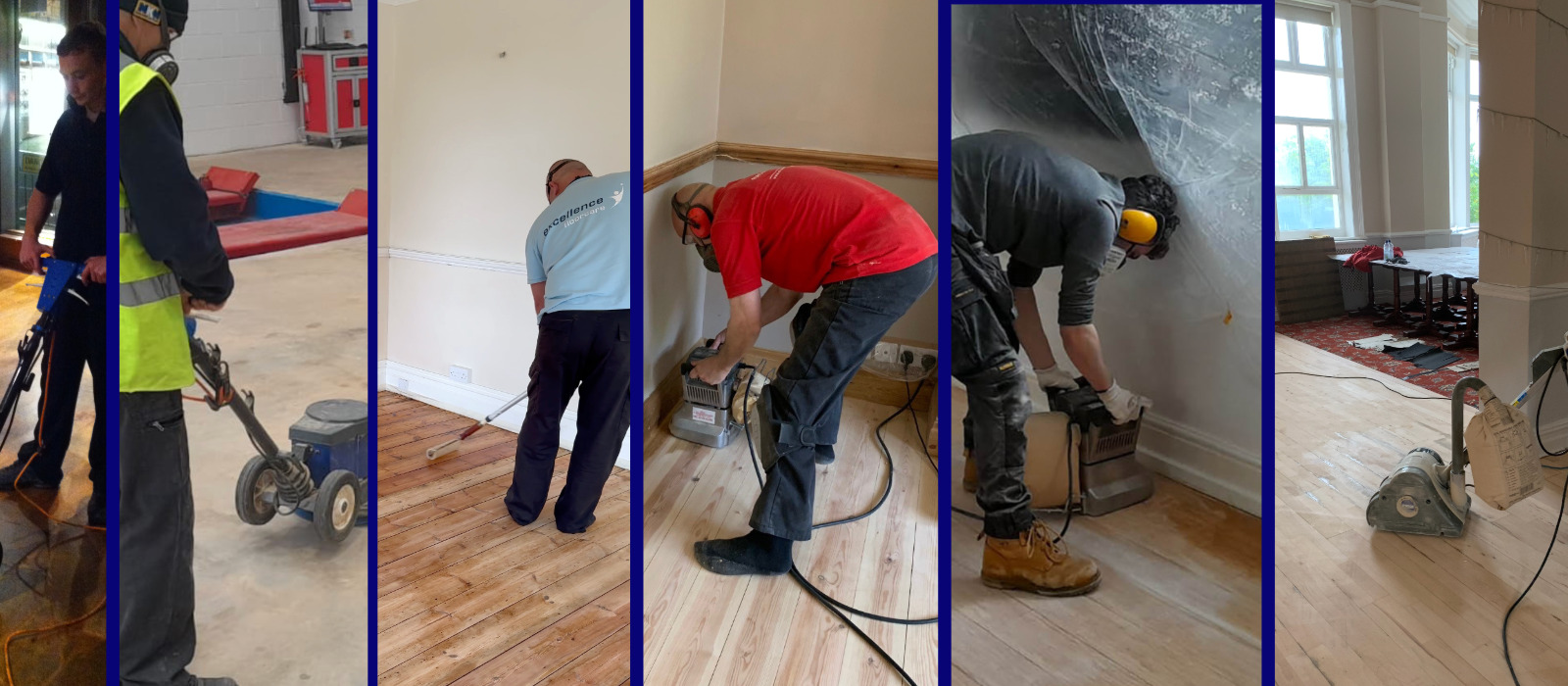
Both are excellent finishes, and both have been protecting wood floors for generations. The right choice depends on how you live, what look you’re after, and how much ongoing maintenance you’re willing to take on. Here’s what you need to know.
What Is Lacquer?
Floor lacquer (sometimes called floor varnish) is a hard, film-forming finish that sits on top of the wood rather than soaking into it. When applied and cured, it creates a tough, protective layer that’s resistant to water, dirt, and everyday scuffs.
Most lacquers used by professional floor sanders today are water-based polyurethane formulas. These dry quickly, have relatively low odour compared to older solvent-based products, and give a clear, consistent finish that showcases the natural colour of the wood.
What Is Wood Floor Oil?
Oil — and its close relative, hardwax oil — penetrates the surface of the wood rather than forming a coating on top. It soaks into the grain, nourishes the timber from within, and leaves a more natural, matte appearance. The wood feels like wood rather than like something beneath a layer of plastic.
Hardwax oil products (brands such as Osmo, Rubio Monocoat, and Treatex are commonly used by professionals) combine a penetrating oil with a hard wax component. This gives enhanced durability compared to traditional linseed-based oils and has become the preferred choice for many floor specialists working on residential properties.
How They Compare: A Practical Overview
| Lacquer | Oil / Hardwax Oil | |
| Appearance | Clear, glossy to satin sheen; enhances colour | Natural matte look; shows wood grain beautifully |
| Durability | Very hard surface; resists scratches well | Softer surface; more prone to localised marks |
| Water resistance | Excellent — forms a waterproof film | Good with quality products; needs prompt cleanup |
| Repairs | Difficult — usually requires full re-sand | Easy — affected area can be spot-oiled |
| Maintenance | Low — clean regularly, re-coat every 5–10 years | Higher — annual re-oiling recommended |
| Application time | Faster — typically 2–3 coats, quick drying | Slightly longer — 2 coats, buffing required |
| Cost (finish only) | Usually slightly less expensive | Slightly higher, but varies by product |
| Best suited for | Busy households, commercial spaces, kitchens | Homes wanting a natural look, easier spot-repairs |
The Repairability Argument
For many homeowners, the ability to spot-repair is the deciding factor. With an oil finish, a scratch or worn patch can be touched up relatively easily — clean the area, lightly abrade, and apply a small amount of matching oil. With lacquer, any repair involves sanding back the damaged area and re-coating, which is harder to do invisibly and often means re-doing the whole floor.
If you have young children, dogs, or a busy hallway, this is worth thinking about. A lacquered floor may look immaculate for years if treated carefully, but a single deep scratch can be awkward to address. An oiled floor may show marks more readily, but each one is easier to fix.
What About Hardwax Oil Specifically?
Hardwax oil has grown in popularity significantly over the past decade, and it’s easy to see why. Products like Osmo Polyx-Oil and Rubio Monocoat have addressed many of the historical weaknesses of oil finishes — they’re more durable than traditional oils, dry faster, and provide better water resistance.
The main trade-off remains maintenance: you’ll need to apply a maintenance product every twelve months or so in high-traffic areas, and annually clean with a compatible floor soap. For homeowners who are happy to do a little upkeep, the results are exceptional — the floor looks alive rather than coated.
Which Should You Choose for a Leeds Home?
There’s no universally correct answer, but here are some practical guidelines:
- Choose lacquer if: you want maximum durability with minimal maintenance, you’re finishing a kitchen or bathroom, or the floor is in a commercial or rental property.
- Choose oil if: you want the most natural look and feel, you’re willing to do occasional maintenance, or you’d like the flexibility to repair small areas yourself.
- Choose hardwax oil if: you want the best of both worlds — a natural finish with better durability and easier maintenance than traditional oil.
When you book with Excellence Floor Care, our team will discuss your lifestyle, floor type, and preferences before recommending a finish. We don’t have a preferred product to sell — we recommend what’s right for your floor.
Get Expert Advice on Wood Floor Finishing in Leeds
If you’re planning a wood floor sand and aren’t sure which finish is right for you, we’re happy to talk it through. Excellence Floor Care works across Leeds and throughout Yorkshire. Call 0330 088 0151 or visit excellencefloorcare.co.uk to request a free consultation.
